

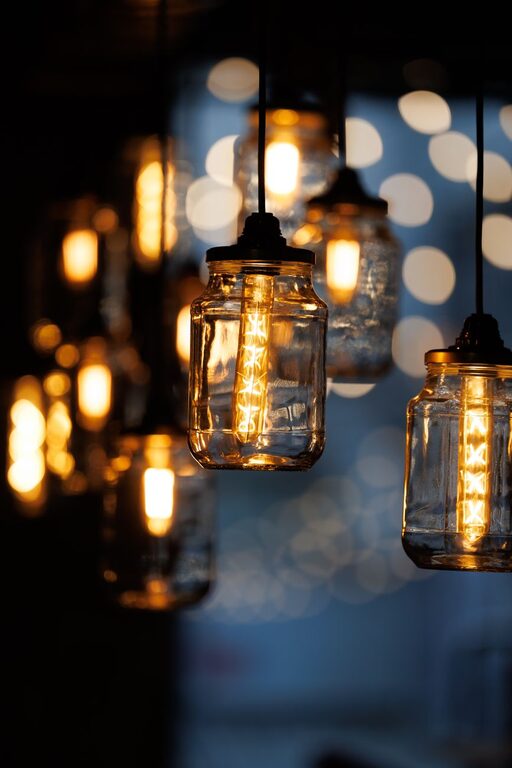
Creating a comfortable and inviting atmosphere at home starts with the right lighting. Good lighting not only brightens your space but also influences your mood, productivity, and even how your home looks. Whether you are redecorating or simply upgrading your lighting setup, understanding how to choose comfortable home lighting is essential.
In this post, we’ll explore practical tips and ideas to help you select the perfect lighting options tailored to each room’s unique needs.
Why Comfort Matters in Home Lighting
Comfortable lighting reduces eye strain and enhances the ambiance of your living space. Harsh, overly bright lights can cause headaches or fatigue, while dim or poorly placed lights may make your home feel gloomy. The goal is to find a balance between style, function, and comfort.
Understand the Different Types of Lighting
Before choosing fixtures and bulbs, it helps to know the three basic types of lighting used in homes:
1. Ambient Lighting
This is the general, overall light that fills a room. It provides a comfortable level of brightness without glare. Examples include ceiling-mounted fixtures, chandeliers, and recessed lights.
2. Task Lighting
Focused lighting for specific activities such as reading, cooking, or working at a desk. Desk lamps, under-cabinet lights in kitchens, and vanity lights in bathrooms serve this purpose.
3. Accent Lighting
Used to highlight architectural features or decor, like artwork or plants. Spotlights, wall sconces, or LED strips often create this effect.
Consider the Color Temperature
Color temperature is measured in Kelvins (K) and affects how “warm” or “cool” your lighting feels:
– Warm light (2700K–3000K): Has a cozy, yellowish tone, ideal for living rooms, bedrooms, and dining areas.
– Neutral light (3500K–4100K): Offers a balanced white light, good for kitchens and bathrooms.
– Cool light (5000K–6500K): Has a bluish tint and is best for workspaces or areas requiring clear visibility.
Choosing the right color temperature can significantly improve comfort by matching the light to your activities and the room’s mood.
Choose Dimmable Options for Flexibility
Dimmable lights let you adjust brightness levels to suit different times of day or tasks. Installing dimmer switches in living rooms, bedrooms, and dining areas provides more control and helps create the perfect ambiance.
Pay Attention to Light Quality and Bulb Type
The quality of light depends on the bulb’s Color Rendering Index (CRI), which measures how accurately colors appear under the light. Aim for bulbs with a CRI of 80 or higher for better color vibrancy.
Common Bulb Types:
– LED bulbs: Energy efficient, long-lasting, available in various colors and dimmable options.
– Incandescent bulbs: Warm light but less energy-efficient and have a shorter lifespan.
– Compact Fluorescent Lamps (CFLs): More efficient than incandescent but contain mercury and take time to reach full brightness.
LED bulbs are generally the best choice for comfortable and eco-friendly lighting.
Layer Your Lighting
Using a combination of ambient, task, and accent lighting creates a well-balanced and comfortable environment. For example, in a living room:
– Use ceiling lights for general illumination.
– Add floor or table lamps next to seating for reading.
– Highlight artwork with picture lights or wall sconces.
Layering ensures you won’t rely on a single source, preventing harsh shadows and eye strain.
Match Lighting to Room Function
Each room serves different purposes, so adapt lighting accordingly:
Living Room
Create a warm, welcoming space with dimmable warm light fixtures. Adding lamps near seating zones improves comfort for reading and relaxing.
Kitchen
Opt for bright, neutral to cool white lights that make work areas clear and safe. Under-cabinet lighting helps with meal prep tasks.
Bedroom
Use warm, soft lighting to promote relaxation. Consider bedside lamps with adjustable brightness.
Bathroom
Bright, neutral lighting is important for grooming tasks. Avoid harsh overhead light alone; combine with vanity lights around mirrors.
Home Office
Choose cool white lighting to keep you alert and focused. Task lighting like adjustable desk lamps is essential.
Use Shades and Diffusers to Soften Light
Direct light can be harsh and uncomfortable. Lampshades, frosted bulbs, or diffusers soften light by spreading it evenly and reducing glare. This can make the room feel cozier and easier on the eyes.
Consider Energy Efficiency and Maintenance
Choosing energy-efficient lighting reduces electricity bills and environmental impact. LEDs are a popular, sustainable choice. Also, consider the ease of replacing bulbs and cleaning fixtures when planning your lighting setup.
Final Thoughts
Comfortable home lighting enhances both aesthetics and well-being. By understanding lighting types, color temperature, bulb quality, and layering, you can create a space that looks great and feels good to live in. Take your time choosing fixtures and bulbs that suit each room’s function and your personal preferences. With thoughtful lighting design, your home will become a bright and comfortable haven for all your daily activities.