

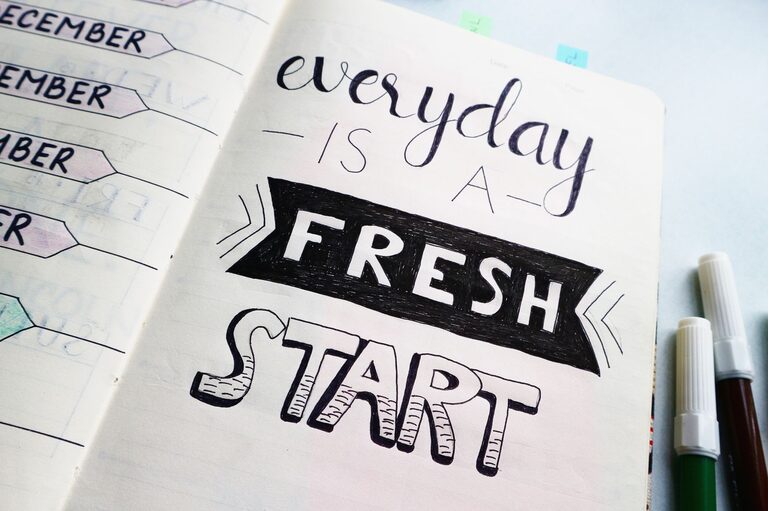
Creativity is often seen as a skill reserved for artists, writers, and designers, but in reality, everyone can cultivate their creative side. It’s not about waiting for a spark of genius; practicing creativity every day can help you solve problems, express yourself, and find new joy in your routine. The good news is, fostering creativity doesn’t require special tools or a lot of time. Here are some simple and effective ways to make creativity a daily habit.
Why Practice Creativity Daily?
Creativity isn’t just about creating art – it helps with critical thinking, boosts mood, and improves mental flexibility. When you engage your creative mind regularly, you train your brain to think in novel ways and explore new possibilities. This can benefit you in work, personal projects, and daily decision-making.
1. Keep a Creative Journal
One of the simplest ways to practice creativity is to write or sketch your thoughts regularly. A creative journal can be your playground for ideas, doodles, and reflections.
– How to start: Choose a notebook or digital app where you feel comfortable expressing yourself.
– What to do: Write down ideas, make lists, brainstorm problems, or sketch something you saw that inspired you.
– Why it helps: Regular journaling clears mental clutter and encourages free thinking.
2. Set a Daily Creativity Challenge
Challenges motivate and inspire you to push boundaries. You don’t need to create a masterpiece—small tasks add up.
Examples of challenges:
– Draw one object from your environment each day.
– Write a six-word story.
– Come up with three alternative endings to a movie or book.
– Photograph something interesting during your day.
A daily challenge keeps creativity active and helps you develop a habit of looking at the world differently.
3. Change Your Environment
Sometimes, creativity stagnates because of routine. Changing where you work or spend time can stimulate new ideas.
– Try working in a park, a café, or a different room.
– Rearrange your workspace or add colorful items like plants or artwork.
– Take a walk in nature and observe details you typically overlook.
New surroundings provide fresh input and can spark inspiration.
4. Practice Mindfulness and Observation
Creativity is rooted in paying attention to the world around you. Mindfulness exercises sharpen your observation skills and help you notice details that inspire creative thoughts.
Simple mindfulness tips:
– Spend 5 minutes each day focusing only on your breathing.
– Observe colors, shapes, sounds, and smells during a walk.
– Write down three new things you noticed around you.
By training your mind to be present, you open the door to new creative connections.
5. Experiment Without Judgment
Many people avoid being creative because they fear failure or judgment. To nurture creativity, try experimenting freely without worrying about the outcome.
– Allow yourself to make “bad” drawings or write imperfect poems.
– Mix different materials if you’re crafting or cooking something new.
– Explore ideas even if they seem silly or impractical at first.
The key is to enjoy the process rather than focusing solely on results.
6. Collaborate and Share Ideas
Creativity often thrives in social settings. Sharing thoughts with others can inspire new directions and feedback.
– Join local or online creative groups.
– Brainstorm with friends or colleagues on a project.
– Take part in workshops or classes to learn new skills and perspectives.
Collaboration exposes you to diverse ideas and encourages creative growth.
7. Schedule “Creative Time”
It’s easy to get caught up in daily tasks and forget to make time for creative activities. Set aside a dedicated time block in your day or week just for creativity.
– Even 15–30 minutes of focused creative play can make a difference.
– Use this time for your journal, drawing, writing, or any hobby you enjoy.
– Treat it like an important appointment that you can’t miss.
Regularly scheduled creative time helps reinforce the habit and reduces procrastination.
8. Consume Diverse Content
Exposing yourself to different types of media, cultures, and ideas fuels creativity.
– Read books or articles outside your usual interests.
– Listen to different music genres or podcasts.
– Watch documentaries or foreign films.
New information and viewpoints provide raw material for your imagination.
Conclusion
Practicing creativity every day is less about grand gestures and more about small, consistent steps. Whether you start a journal, take a different route on your walk, or try a new creative challenge, these simple habits can open your mind to fresh ideas. Remember, creativity is a skill that grows with practice. The more you engage it, the easier and more enjoyable it becomes.
Start today by choosing one or two of these ideas and make creativity a regular part of your routine. Over time, you’ll find yourself thinking more creatively and enjoying the process of discovery in your everyday life.