

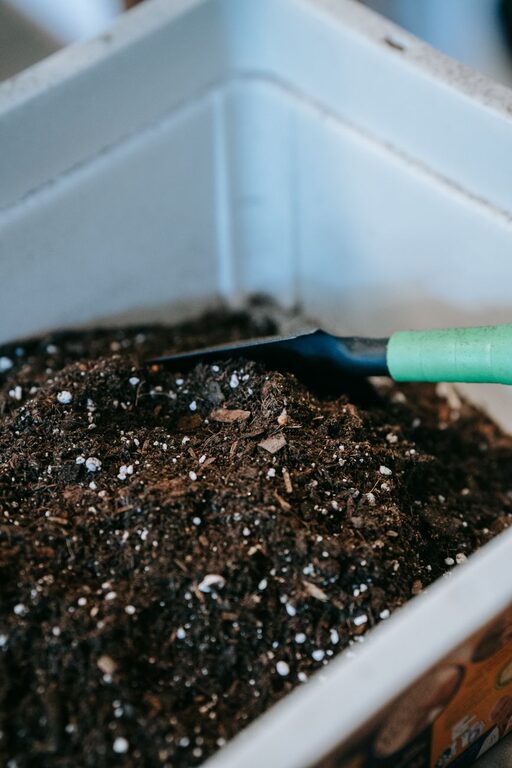
Composting at home is a wonderful way to reduce waste, enrich your garden soil, and contribute to a healthier planet. If you’re new to composting, the process may seem a little daunting, but with the right approach, it can be a simple and rewarding activity. This guide offers beginner-friendly tips to help you start composting effectively right in your backyard or even on your balcony.
What is Composting?
Composting is the natural process of recycling organic matter, such as food scraps and yard waste, into a nutrient-rich soil amendment known as compost. Compost improves soil structure, retains moisture, and provides essential nutrients to plants.
Benefits of Composting at Home
– Reduces landfill waste: Composting diverts organic waste from landfills, reducing methane emissions.
– Enriches soil naturally: Compost provides beneficial microorganisms and nutrients without chemicals.
– Saves money: By producing your own fertilizer, you can cut costs on gardening products.
– Supports plants: Healthier soil leads to healthier plants and higher garden yields.
—
Getting Started: Choosing a Composting Method
There are several composting methods suitable for beginners. Choose one that fits your space, lifestyle, and composting goals.
1. Traditional Compost Bin
A compost bin is an enclosed container that holds your compost materials and helps maintain heat and moisture levels.
– Pros: Keeps pests out; looks tidy.
– Cons: Requires turning and monitoring.
2. Compost Pile
Simply create a pile of compostable materials in a designated area of your yard.
– Pros: Easy to start; no container necessary.
– Cons: Can attract pests; needs regular turning.
3. Tumbler Compost Bin
These are barrels that can be rotated to mix compost materials quickly.
– Pros: Speeds up composting; easy to turn.
– Cons: Usually smaller capacity; more costly.
4. Vermicomposting (Worm Composting)
Using worms to break down kitchen scraps indoors or outdoors.
– Pros: Great for small spaces and apartments; produces nutrient-rich worm castings.
– Cons: Requires care for the worms; sensitive to temperature changes.
—
Essential Ingredients: What to Compost
Successful composting requires a good balance of materials, often categorized as “greens” and “browns.”
Greens (Nitrogen-Rich)
– Fruit and vegetable scraps
– Coffee grounds and filters
– Tea bags (without plastic)
– Fresh grass clippings
– Garden trimmings
Browns (Carbon-Rich)
– Dry leaves
– Straw or hay
– Shredded newspaper or cardboard
– Sawdust (untreated wood)
– Twigs and small branches
Tip: Aim for about 2 to 3 parts browns to 1 part greens for a well-balanced compost.
—
What NOT to Compost
Avoid adding certain items as they can attract pests or slow down composting:
– Meat, fish, or dairy products
– Oils and greasy foods
– Pet waste
– Diseased plants
– Weeds with seeds or invasive roots
—
Step-by-Step Beginner Composting Guide
Step 1: Choose Your Location
Pick a dry, shaded spot with good drainage for your compost bin or pile. If using indoors (e.g., vermicomposting), ensure proper ventilation.
Step 2: Prepare Your Bin or Pile
Start with a layer of coarse materials like twigs or straw to help with aeration and drainage.
Step 3: Add Compost Materials
Alternate layers of greens and browns. Chop or shred larger pieces to speed decomposition.
Step 4: Maintain Moisture
Keep your compost as damp as a wrung-out sponge. Add water if it’s too dry or add dry browns if it’s too wet.
Step 5: Turn Your Compost
Aerate your compost by turning it every 1–2 weeks with a pitchfork or compost aerator. This introduces oxygen that microorganisms need.
Step 6: Monitor Temperature
A healthy compost pile warms up as microbes break down the material. If it’s cold, try adding more greens or turning it more often.
Step 7: Wait and Harvest
Depending on conditions, compost can be ready in 2–6 months. Finished compost is dark, crumbly, and earthy-smelling. Use it in your garden beds, potted plants, or as mulch.
—
Common Beginner Challenges and Solutions
– Compost smells bad: Usually too wet or has too many greens. Add browns and turn it often.
– Pile attracts pests: Avoid meat and dairy. Use a closed bin or cover with browns.
– Composting is slow: Chop materials smaller and turn compost more frequently.
– Too dry: Water the pile to maintain moisture.
—
Additional Tips for Successful Composting
– Use a kitchen compost pail to collect scraps conveniently.
– Avoid adding weeds with seeds to prevent spreading unwanted plants.
– Use finished compost as a soil amendment or mulch in your garden.
– Keep a balance and be patient; composting is a natural process that takes time.
—
Final Thoughts
Composting at home is a simple and eco-friendly practice anyone can adopt. By following these beginner tips, you’ll reduce waste, improve your garden’s health, and enjoy the satisfaction of turning scraps into black gold. Start small, keep learning, and soon composting will become a natural part of your daily routine.
Happy composting!